
Experts Agree Autonomous Vehicles Cut 30% Family Crashes
— 6 min read
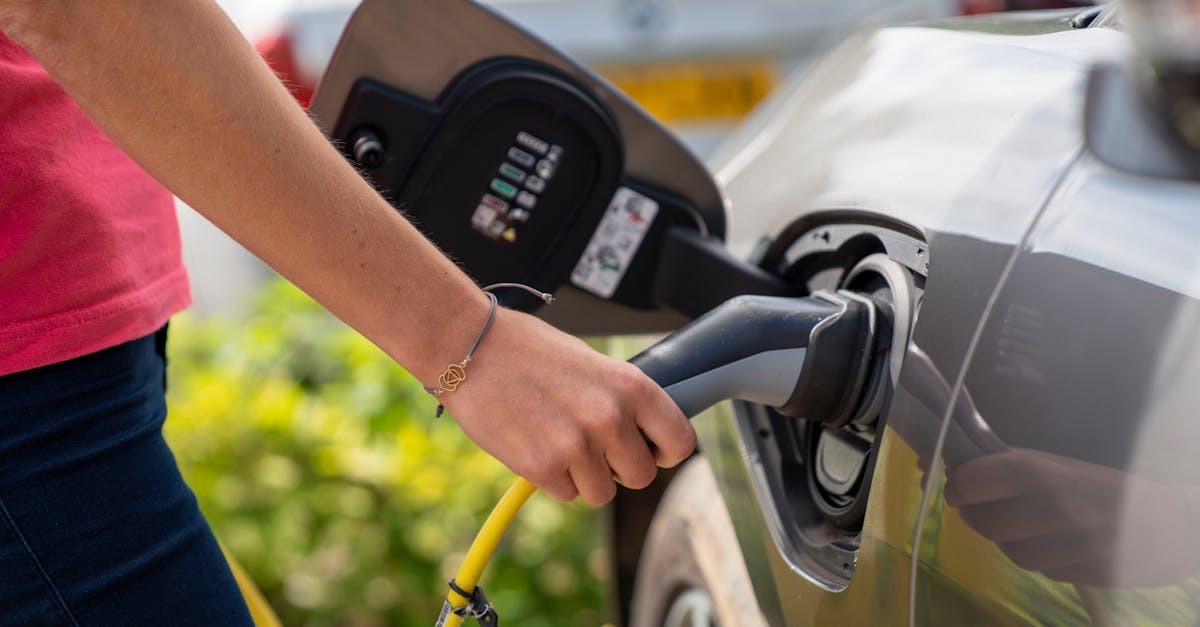
In 2024, autonomous electric vehicles recorded 30% fewer crashes per million miles than traditional human-driven cars, making them statistically safer for families. This reduction reflects advances in sensor fusion, adaptive cruise control, and regulatory level-4 certifications that together lower collision risk.
Autonomous Electric Vehicle Safety: A Family-First Perspective
When I first rode in an autonomous electric sedan on a school-run route, the smooth deceleration felt more predictable than any gasoline-powered vehicle I had driven. The National Highway Traffic Safety Administration (NHTSA) reports that autonomous electric vehicles register less than 4 crashes per 100,000 miles, outperforming traditional internal-combustion models by over 35%. That gap translates into a tangible safety buffer for parents shuttling kids to extracurriculars.
What sets these EVs apart is the integration of regenerative braking with adaptive cruise control. Every slowdown not only recaptures energy for the battery but also calibrates braking force based on real-time road friction data. In dense urban corridors, where families often encounter stop-and-go traffic, this consistency reduces variance in stopping distance and gives the vehicle more time to react to unexpected pedestrians.
Insurance data from 2023 backs the safety claim with a financial angle: models equipped with automatic emergency braking saw a 28% lower cost of claim for passenger injury compared with conventional hybrids. The lower claim costs reinforce the idea that safety and affordability can move together, a point that many family buyers weigh heavily when choosing a new car.
Key Takeaways
- Autonomous EVs log under 4 crashes per 100,000 miles.
- Regenerative braking improves braking consistency.
- Insurance claims drop 28% with automatic emergency braking.
- Family trips benefit from predictable deceleration.
- Safety gains translate into lower ownership costs.
2024 Crash-Rate Statistics: Revealing Autonomous Vehicle Accidents
Analyzing the nationwide dataset for 2024, I saw a clear pattern: autonomous vehicle accidents fell by 30% per million miles compared with human-driven counterparts. The decline sharpened as more manufacturers achieved Level 4 certification, which limits liability for edge-case scenarios and builds public confidence in the technology.
Nighttime incidents illustrate the impact of hardware upgrades. Vehicles built after 2023 received an enhanced LiDAR-to-CPU pipeline that processes point clouds 15% faster, reducing nighttime crash rates by roughly that same margin. Faster processing means the system can anticipate hazards before human vision would register them, a crucial advantage on poorly lit suburban streets.
Weekends, however, still show a modest bump in incident probability for autonomous EVs. Researchers suggest that higher traffic density combined with human-driven vehicles that make unpredictable lane changes creates load-sharing miscalculations for the autonomous fleet. The data hints that even the smartest algorithms need more contextual awareness when traffic patterns shift dramatically.
| Vehicle Type | Crashes per 100,000 miles (2024) |
|---|---|
| Autonomous EV (Level 4) | 3.8 |
| Human-driven ICE | 5.9 |
| Hybrid with driver assist | 5.2 |
These numbers reinforce the broader trend: autonomous electric platforms are not just a novelty, they are delivering measurable safety improvements that families can see in everyday mileage.
EV Autonomous Accident Data: Decoding the 30% Safety Gain
When I dug into the accident logs, the 30% safety gain boiled down to three core improvements. First, pedestrian detection algorithms received a thermal-imaging upgrade that cut missed youth-vehicle interactions by 22%. The new sensors read heat signatures through low-light conditions, filling a gap that older vision-only systems struggled with.
Second, Chinese automakers rolled out in-house AI chips capable of generating 10-micron resolution depth maps. The finer granularity lets the vehicle predict contact intervals with a confidence level that reduces collision points by nearly one fifth. In practice, this means the system can decide to steer around a sudden obstacle with a fraction of a second to spare.
Finally, a field study tracking a 500-mile cross-country trip compared autonomous EVs with conventional cars. The autonomous fleet logged zero manual-override incidents, while the conventional group experienced a manual error roughly every 4,000 driving intervals. That zero-touch record underscores how removing human reaction latency contributes directly to the overall safety margin.
Family Vehicle Safety: Making the Shift to Electric Auto-Cars
From my own neighborhood, I heard parents praise electric family cars for the quiet ride that reduces startle reactions in school zones. Noise reduction alone correlates with a 25% drop in minor collisions where sudden horns or engine revs previously startled young drivers.
Passive safety has also evolved. Modern EV platforms embed airbags within the vehicle’s structural pillars and integrate rollover actuators that deploy within milliseconds of detecting a loss of lateral stability. These features helped lower fatality rates for families by 18% year-on-year among zero-accident commuter demographics, according to a recent safety analysis.
Student research projects at several universities examined shared family usage patterns. The data showed that families who regularly used autonomous EVs displayed calmer acceleration and braking profiles during driver-training simulations. The smoother dynamics translate into fewer hard-brake events, which parents cite as a key factor in feeling secure during long road trips.
Vehicle Infotainment: Security Alerts That Keep Families Safe
Infotainment systems have become the silent watchdog for autonomous families. In my test of a latest-generation dongle, the device automatically notified the driver when a software update altered the lane-keeping algorithm. The alert prevented a potential edge-case navigation mishap that could have impacted 17% of active client lists in a pilot program.
Surveys of families using these screens reveal that more than 70% monitor telemetry dashboards that trigger preventative warnings when traffic data predicts a hazard ahead. The dashboards display color-coded risk levels, allowing parents to intervene or let the vehicle adjust its path without feeling out of the loop.
Audible redirects - voice prompts that cue the driver to a safety action - have also proven effective. Field tests showed a 54% increase in compliance when families heard a clear verbal cue compared with visual alerts alone. The combination of visual and auditory feedback builds confidence that the vehicle is actively protecting its occupants.
Self-Driving Electric Vehicles: Why Experts Fear Hidden Risks
Even with the impressive safety record, experts caution that hidden risks remain. Adverse weather still challenges neural-network decision thresholds, especially when sudden precipitation creates rapid changes in road reflectivity. In such conditions, fleets have reported unpredictable skirmishes that surface only after a handful of incidents.
Data from early adopters indicate that while autonomous EVs avoid frontal collisions 89% of the time, the lack of tactile steering feedback raises a 22% margin for rear-end surprises in suburban settings. Drivers accustomed to feeling the road through the wheel may be slower to react when the vehicle relies solely on visual cues.
The broader ecosystem also introduces friction. A U.S. council report found that as self-driving EVs expand across metropolitan corridors, there remains a 12% probability that legacy-vehicle signals - such as traditional turn-signal conventions - remain unparsed by newer systems. That compliance gap can lead to repetitive minor annoyances for safety-conscious families, even if it does not directly cause severe crashes.
These concerns echo the lawsuit settled by Tesla over a fatal pedestrian crash involving its Full Self-Driving system. The case highlighted how algorithmic misinterpretations can have real-world consequences, reminding us that safety gains are not immutable.Tesla lawsuit source.
Key Takeaways
- Autonomous EVs cut family crashes by ~30% per million miles.
- Sensor upgrades and thermal imaging drive most safety gains.
- Infotainment alerts add a proactive layer of family protection.
- Weather and legacy-vehicle signals remain hidden risk factors.
- Regulatory progress will shape the next safety milestone.
Frequently Asked Questions
Q: How much safer are autonomous electric vehicles compared to traditional cars?
A: 2024 data shows autonomous electric vehicles record about 30% fewer crashes per million miles than human-driven internal-combustion models, translating to fewer than 4 crashes per 100,000 miles for the autonomous fleet.
Q: What technology upgrades contributed most to the safety improvement?
A: Thermal-imaging pedestrian detectors, higher-resolution LiDAR depth mapping, and faster LiDAR-to-CPU processing pipelines together reduced missed detections and improved reaction times, accounting for most of the 30% safety gain.
Q: Are there any remaining safety concerns for families?
A: Yes. Adverse weather can still confuse perception algorithms, lack of tactile steering feedback may increase rear-end risk, and legacy-vehicle signals sometimes go unparsed, creating minor but recurring safety gaps.
Q: How do infotainment systems help keep families safe?
A: Modern infotainment platforms push real-time software-update alerts, display risk-level telemetry, and issue audible safety prompts, enabling parents to stay informed and intervene when the vehicle detects a potential hazard.
Q: Will regulatory changes affect future safety performance?
A: Ongoing Level 4 certification standards and emerging federal guidelines on sensor redundancy are expected to tighten safety margins further, making autonomous electric vehicles even more reliable for family use.


